How container specs and pricing influence New Shipping Containers
Wiki Article
Essential Factors to Think About and Types to Explore When Getting New Shipping Containers
When taking into consideration the acquisition of new Shipping containers, several important variables enter play. Container dimension and meant usage substantially influence the choice. Product types also influence longevity and performance. On top of that, comprehending monetary restraints is essential. Each facet requires mindful thought to assure the container satisfies specific requirements. The complexities of these components can lead to confusion. Discovering them much more can give clearness and overview purchasers towards an educated selection.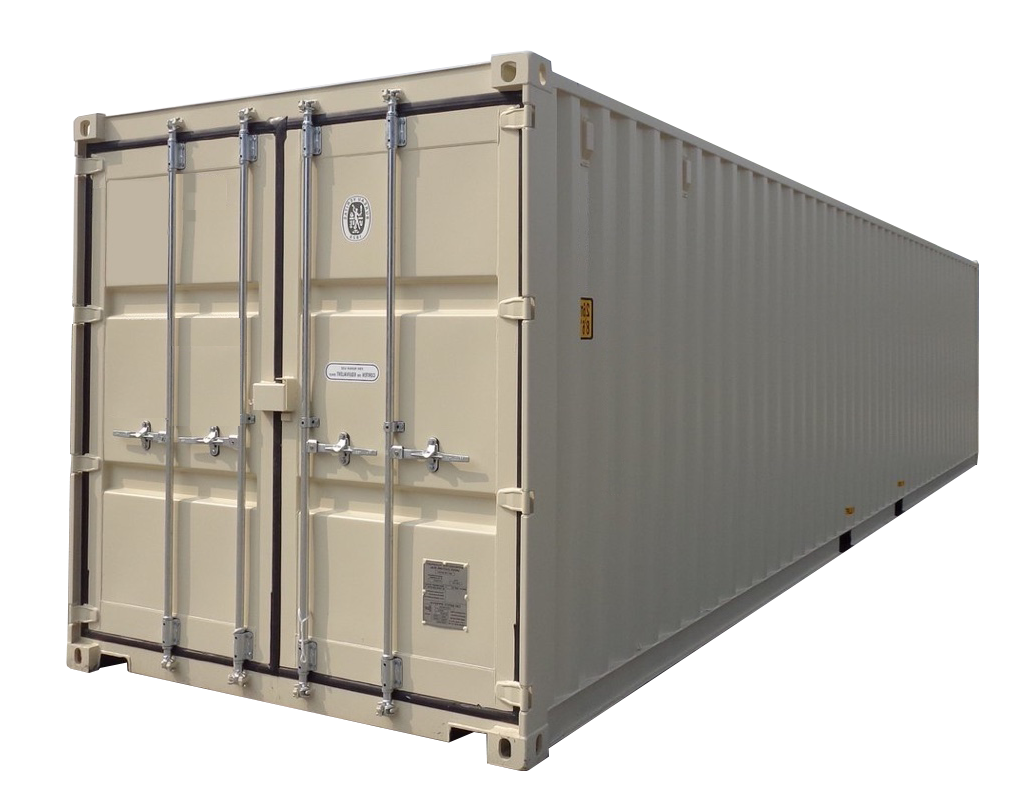
Recognizing Container Sizes and Capacities
Delivering containers can be found in different sizes and dimensions, necessary for meeting specific transport and storage space demands. One of the most typical container dimensions are 40-foot and 20-foot units, with the 20-foot container providing about 1,160 cubic feet of area, while the 40-foot version offers concerning 2,390 cubic feet. Furthermore, there are high-cube containers that offer extra elevation, permitting more quantity and accommodating bigger cargo.
Specialized containers, such as refrigerated devices, are offered for transferring temperature-sensitive items, while level rack containers are made for large things. When selecting a container, it is important to examine the desired use, as different sizes can greatly influence Shipping costs and logistics. Recognizing the measurements and capacity of each container kind allows buyers to make educated choices, making sure efficient transportation and ideal usage of room for their cargo needs.
Evaluating Container Problem: New vs. Made use of
When choosing a shipping container, customers must take into consideration the condition of the device, whether new or made use of (New Shipping Containers). New containers use the benefit of immaculate condition, ensuring architectural honesty and a longer life expectancy. They typically include service warranties, providing satisfaction for customers searching for integrity in transportation or storage. Brand-new containers are usually much more costly.On the other hand, utilized containers can provide substantial price savings. These units may show indications of wear, such as corrosion or dents, however many are still structurally sound and ideal for numerous objectives. Purchasers must extensively examine utilized containers for leaks, structural damage, and overall condition to verify they meet their needs. Certification of seaworthiness can also be a valuable indicator of quality. Eventually, the choice between used and brand-new containers must line up with the buyer's budget, intended usage, and lasting strategies for the container.
Material Types and Their Ramifications
While lots of purchasers concentrate on the problem of Shipping containers, the product type likewise plays a crucial duty in identifying their suitability for various applications. The majority of Shipping containers are created from corten steel, understood for its strength and resistance to corrosion. This makes them excellent for international delivery, where exposure to rough weather condition conditions is usual.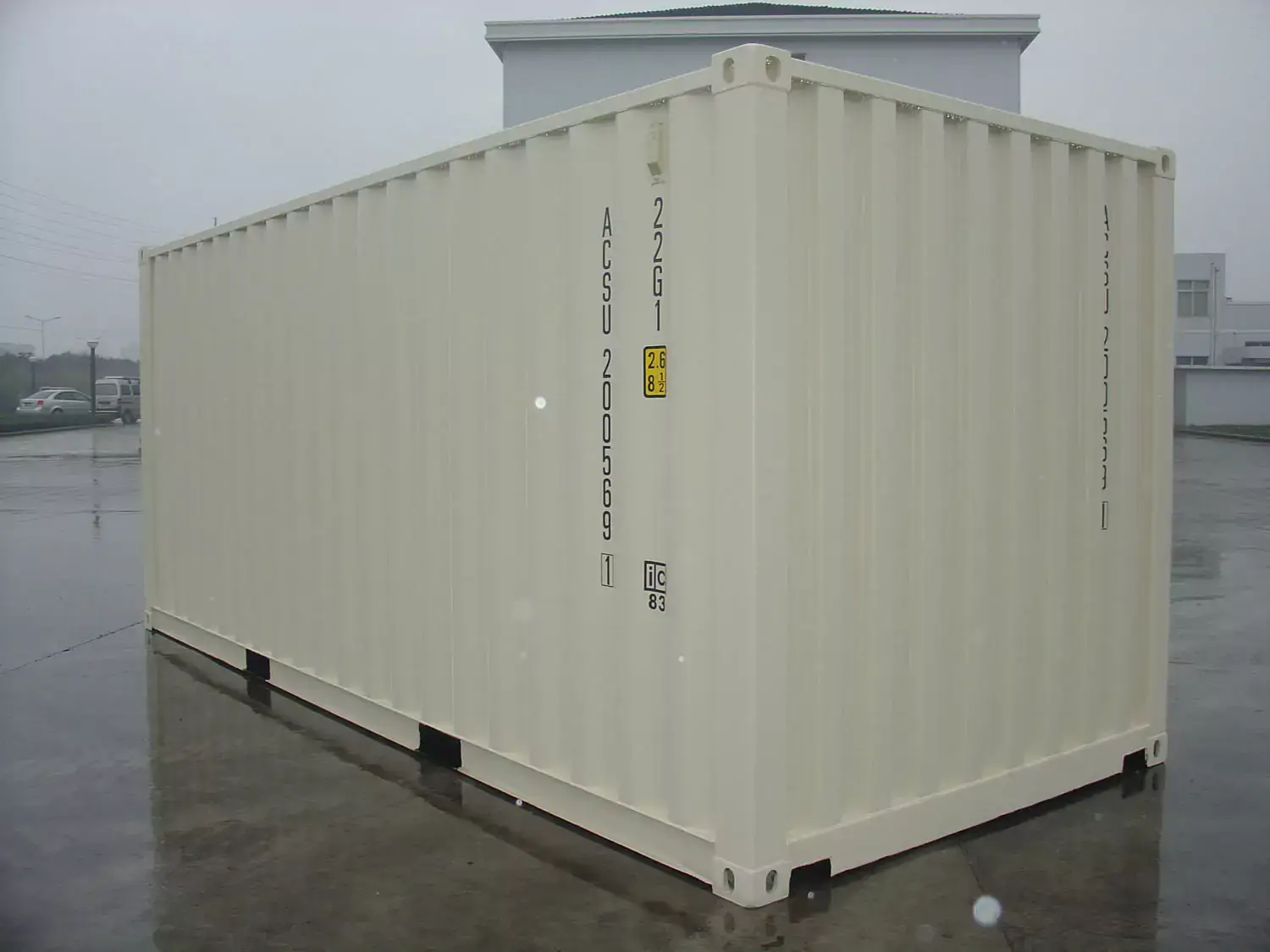
Another option consists of customized containers made from wood or composite products, ideal for innovative applications. Each material kind has unique implications, affecting toughness, maintenance needs, and total expense - New Sea Containers For Sale. Buyers need to meticulously examine these elements to assure their selected container straightens with their designated purpose and ecological conditions
Planned Use: Storage, Workplaces, or Living Spaces
Figuring out the meant use of a delivery container can greatly affect the selection procedure, as various applications need specific functions and modifications. For storage space objectives, containers may require ventilation, shelving, or environment control to safeguard items from wetness and temperature level fluctuations. Alternatively, when created as office, containers frequently need insulation, electrical wiring, and home windows to develop a comfortable and practical working environment.If the objective is to create living rooms, additional considerations enter into play, such as pipes, enhanced insulation, and aesthetic surfaces (Buy New Shipping Containers). Each intended use requires a different strategy to layout and functionality, which directly influences the overall cost and expediency of the job. Because of this, understanding the particular demands of storage space, workplace, or living applications is essential in making an informed choice when buying a delivery container
Budgeting for Your Shipping Container Purchase
As prospective customers discover the alternative of acquiring a delivery container, establishing a clear budget becomes important to the decision-making procedure. Delivering containers can be found in numerous sizes and conditions, which considerably affect their costs. New containers normally set you back more than used ones, but they may offer far better durability and fewer repairs.
To effectively manage their budget, buyers ought to carry out complete study to contrast costs from several vendors and examine the container's problem. By taking these aspects address right into account, prospective purchasers can make educated monetary decisions that line up with their long-lasting goals and particular needs.
Often Asked Concerns
Can I Customize My Shipping Container After Purchase?
Yes, delivering containers can be tailored after acquisition. Proprietors commonly change them for different uses, such as adding doors, home windows, insulation, or electric systems, tailoring the container to meet specific demands or choices.What Permits Are Required for Positioning a Shipping Container on My Residential property?
The needed permits for positioning a delivery container on building vary by area. Normally, house owners should check with regional zoning laws, constructing codes, and potentially obtain licenses for structures, storage space, or land use as essential.How Do I Move a Shipping Container to My Area?
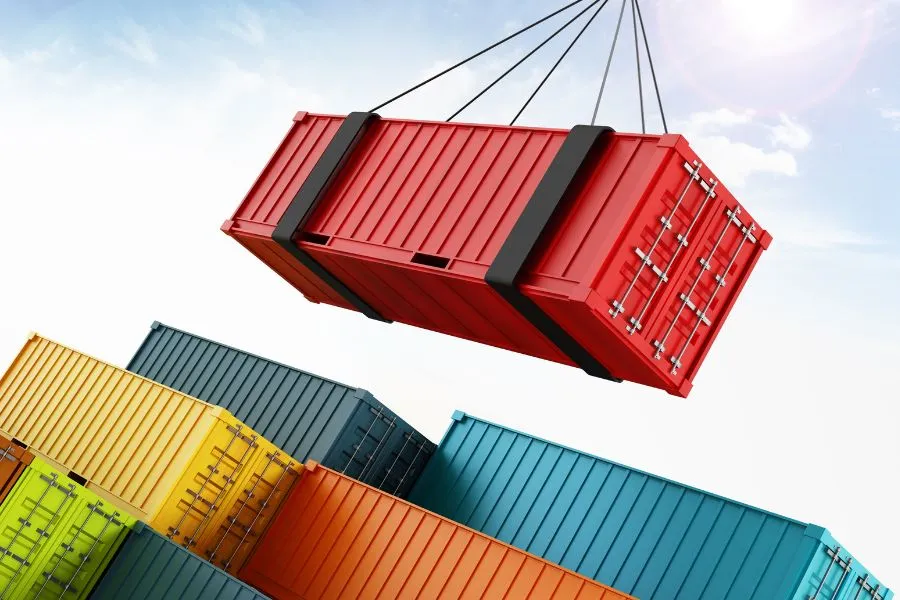
To deliver a shipping container, one have check my source to organize for a flatbed vehicle or specialized container transport lorry. Appropriate tools and permits are important to ensure secure shipment and conformity with local guidelines throughout transportation.
Exist Financing Options Available for Investing In Shipping Containers?
Yes, different funding options are offered for acquiring Shipping containers, including finances, leases, and rental agreements. Numerous distributors offer versatile settlement plans to accommodate various spending plans and financial circumstances, making sure access for potential purchasers.What Is the Typical Life-span of a Delivery Container?
The average lifespan of a shipping container normally varies from 10 to 25 years, relying on factors such as usage, maintenance, and environmental conditions. Appropriate care can considerably expand the container's longevity and usability.The most usual container sizes are 20-foot and 40-foot units, with the 20-foot container offering roughly 1,160 cubic feet of area, while click this the 40-foot version provides regarding 2,390 cubic feet. Specialized containers, such as chilled systems, are offered for moving temperature-sensitive items, while flat rack containers are developed for oversized items. When selecting a delivery container, buyers must consider the condition of the unit, whether new or made use of. While several customers concentrate on the condition of Shipping containers, the material kind additionally plays a critical duty in establishing their suitability for various applications. To transfer a shipping container, one should arrange for a flatbed truck or specialized container transport car.
Report this wiki page